
Karate and Culture: The Role of Martial Arts in Canadian Immigration


Martial arts have long been a bridge between cultures, facilitating understanding and connection. In Canada, karate and other martial arts play a significant role in the lives of immigrants, offering both a sense of community and a means of cultural exchange. These practices are more than just physical activities; they are gateways to cultural integration and personal growth.

The History of Martial Arts in Canada
The introduction of martial arts to Canada can be traced back to the post-World War II era, when Asian immigrants brought their traditions with them. Over the decades, martial arts have evolved into a vibrant part of Canadian culture, with dojos and training centers popping up across the country.
Karate, in particular, has gained popularity due to its emphasis on discipline, respect, and perseverance. This makes it an attractive option for those seeking personal development and a sense of belonging in a new country.
Building Community Through Karate
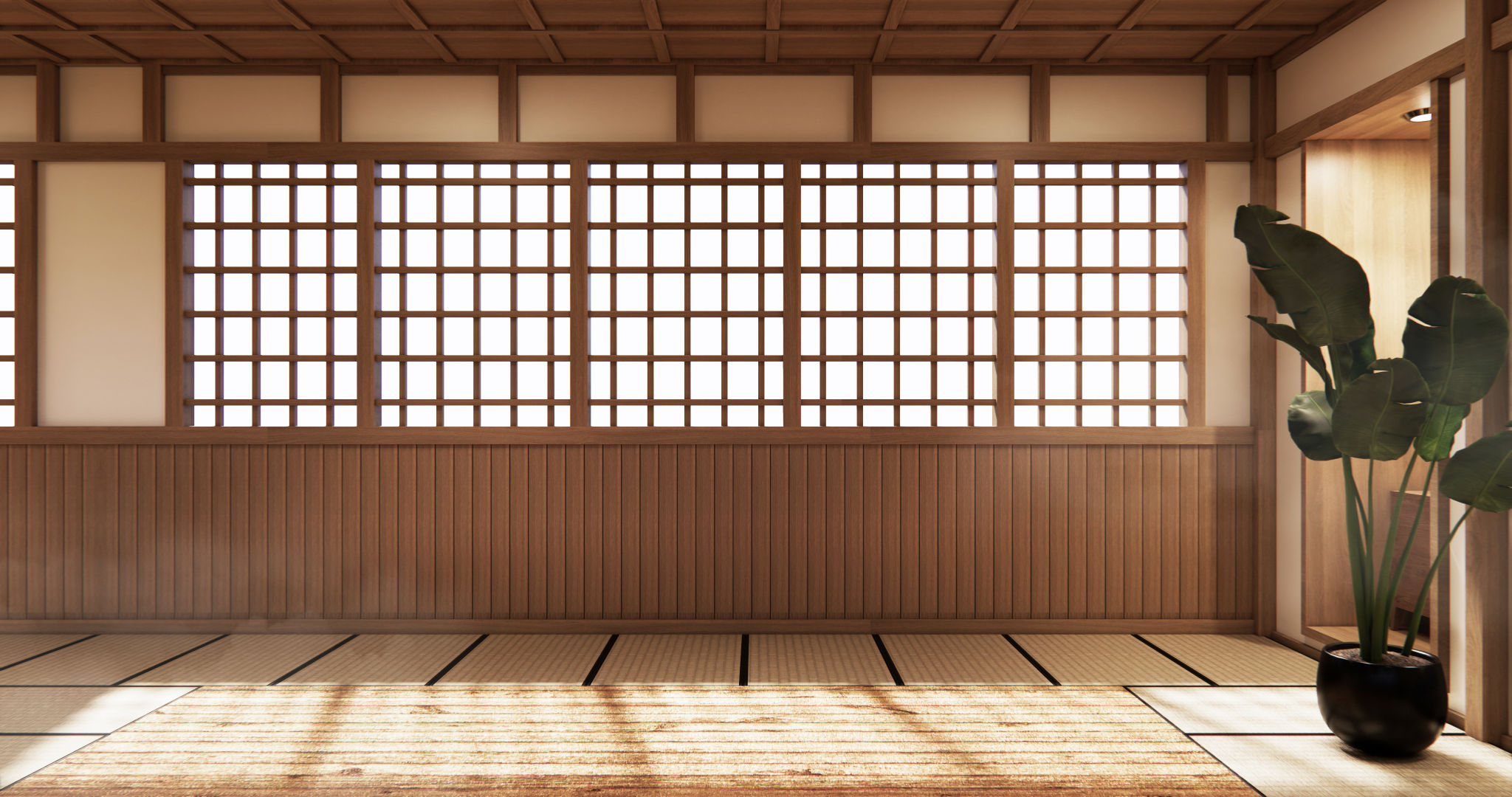
For many immigrants, the dojo becomes a second home. It provides a supportive environment where individuals and families can connect with others who share similar experiences. This sense of community is crucial for newcomers who may feel isolated in a foreign land.
Karate schools often host cultural events, bringing together diverse groups of people. These gatherings foster mutual understanding and appreciation for different cultures, helping to break down barriers and build lasting friendships.
The Impact on Youth
The benefits of karate extend to the younger generation as well. For immigrant children, martial arts offer a structured environment where they can develop confidence and learn valuable life skills. The principles taught in karate, such as discipline and respect, are universal and help children adapt to their new surroundings.
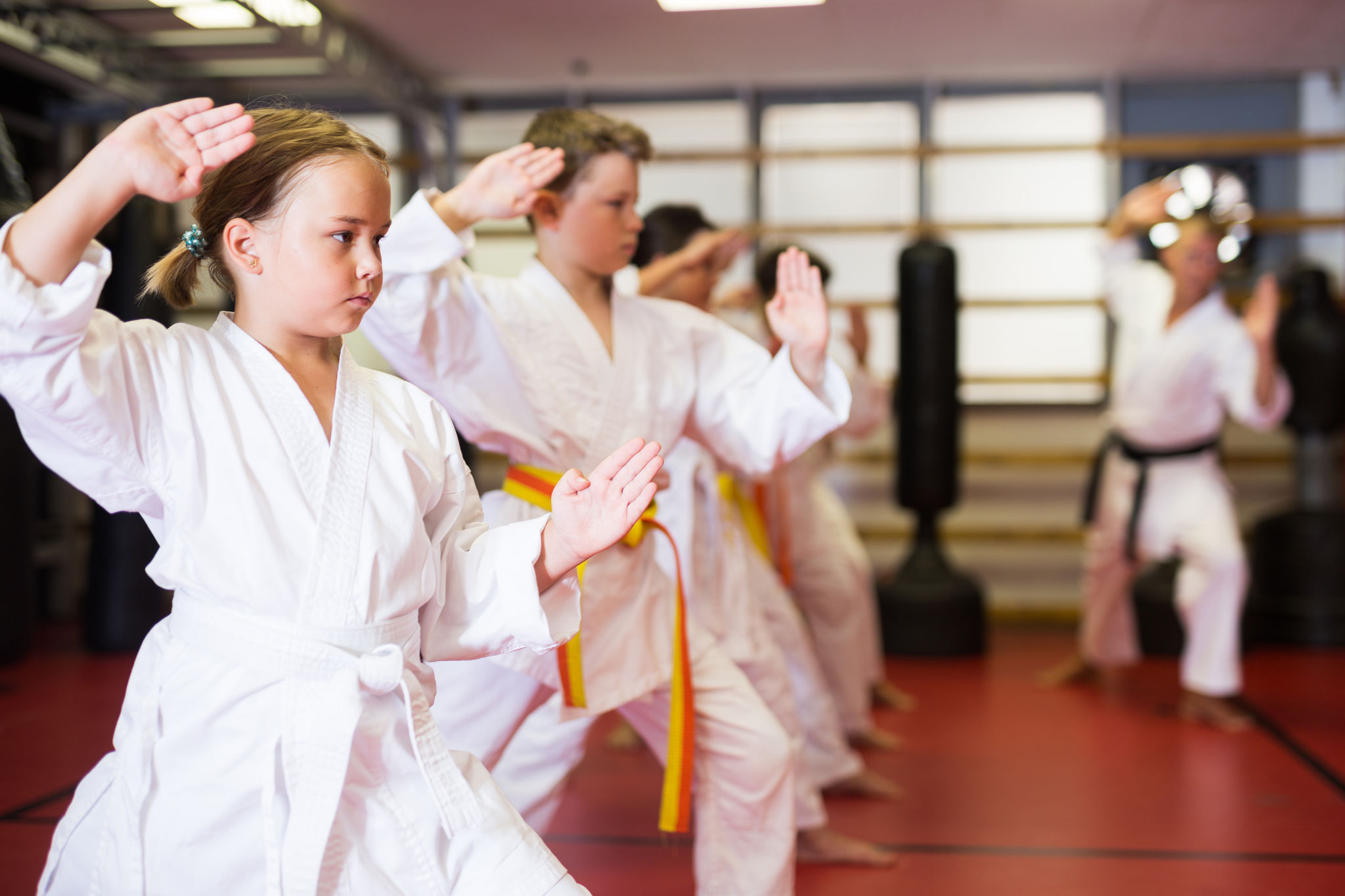
Moreover, participating in martial arts can improve physical fitness and mental well-being, providing a healthy outlet for energy and stress. This is particularly important for young immigrants who may face unique challenges in adapting to a new culture and education system.
Cultural Exchange and Understanding
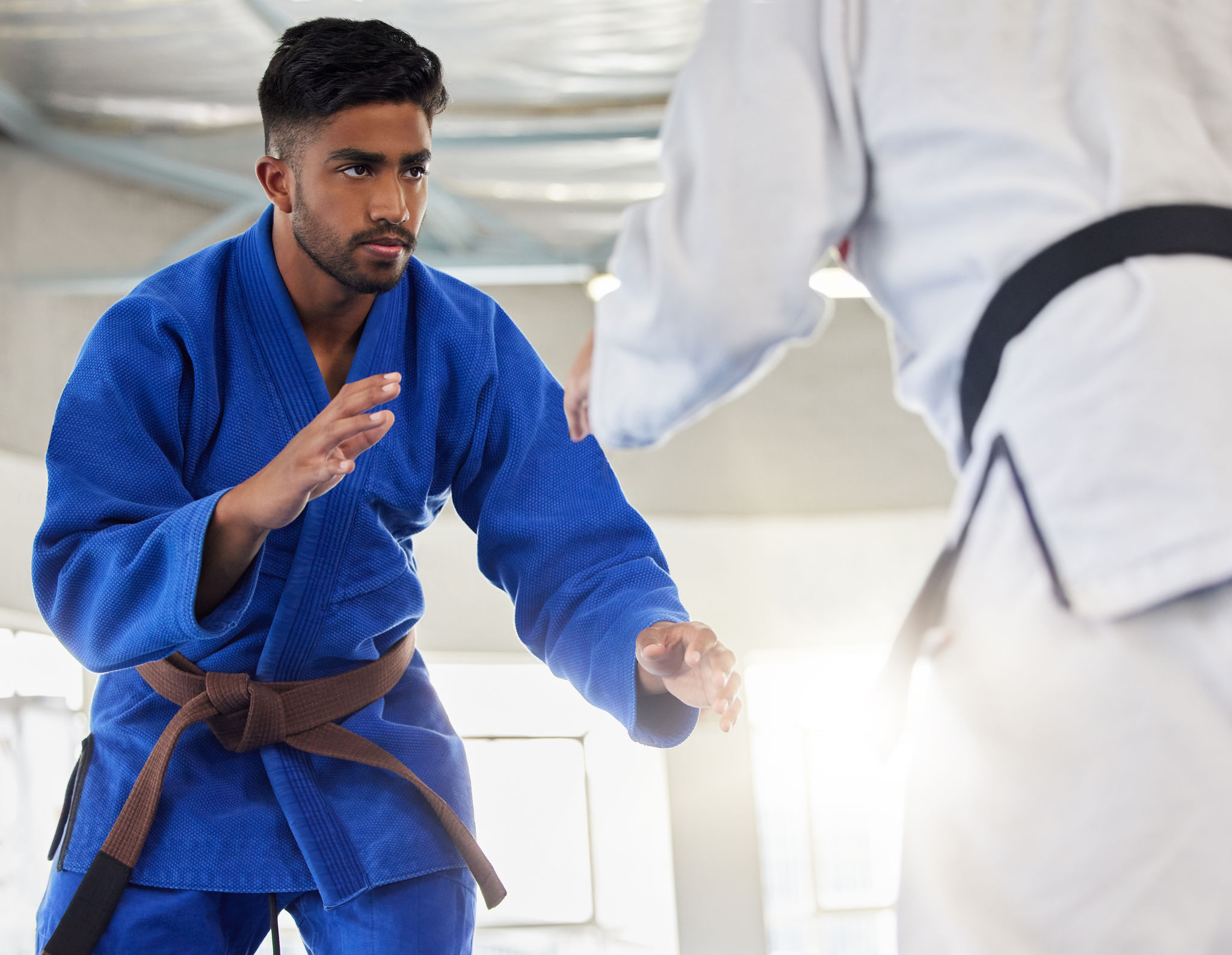
Karate dojos often become spaces for cultural exchange, where participants learn about each other's traditions and values. This exchange enriches the cultural fabric of Canadian society, promoting inclusivity and diversity. It allows both immigrants and native Canadians to gain new perspectives and appreciation for different ways of life.
Through martial arts, individuals can celebrate their heritage while embracing the multicultural nature of Canada. This dual identity strengthens community ties and enriches the cultural landscape.
Conclusion
Karate and other martial arts play a vital role in the lives of Canadian immigrants, offering more than just physical training. They provide a means of cultural integration, personal development, and community building. As Canada continues to welcome people from around the world, the role of martial arts in fostering understanding and connection will undoubtedly grow.
In embracing these practices, we celebrate the rich tapestry of cultures that make Canada a unique and vibrant place to live. The dojo is not just a place to learn martial arts; it is a place to build a future together.